

Three Olympic finals, three golds: reading Bolt’s 100m streak
The same event. Three different Olympic finals. A short guide to what the streak—and the stopwatch—actually tell us.
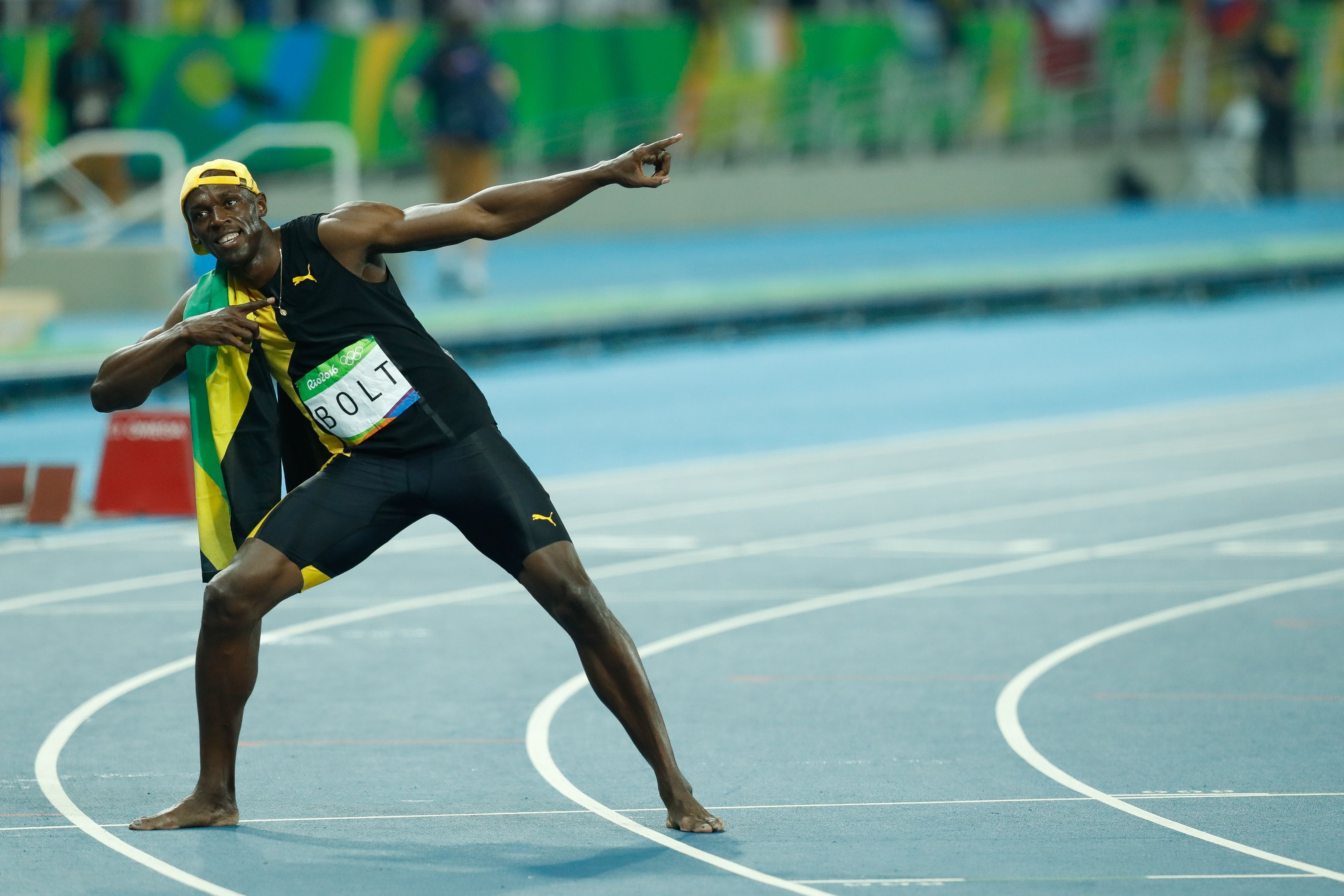
One fast race and a run of championship victories answer different questions. A time tells us how quickly an athlete completed that race. A winning streak tells us how often the athlete returned to the same championship event and finished first.
Usain Bolt's Olympic men's 100m record gives us both stories. He won in Beijing in 2008, London in 2012 and Rio in 2016. Those were three consecutive editions of the Games, spanning eight years. The headline is easy to remember; the individual results make it more interesting.
Three finals at a glance
Beijing: a title and a world record
In the 2008 final, Bolt ran 9.69 seconds. The official result marks it WR: a world record at the time. Richard Thompson took silver in 9.89. Subtracting the two recorded times gives a winning margin of 0.20 seconds.
That last phrase matters: at the time. A historical result sheet records the status of a performance when it happened. It should not be read as a claim that the record still stands today.
London: faster again at the Games
The 2012 result lists Bolt first in 9.63, with the marker OR for Olympic record. Yohan Blake finished second in 9.75. Bolt's winning time was 0.06 seconds faster than his Beijing final, and the margin over silver was 0.12 seconds.
This is a useful distinction when a highlight card says “record”: Olympic record and world record are different labels. The London result carries the former. Reading the label alongside the number keeps the achievement precise.
Rio: the streak continues
In the 2016 final, Bolt won in 9.81. Justin Gatlin's 9.89 put him 0.08 seconds behind. Rio was the slowest of Bolt's three Olympic final winning times, but it added the third consecutive gold to the sequence.
That is why a championship story cannot be reduced to sorting times. London was his fastest of these three finals. Rio completed the three-Games streak. Both statements can be true, because they describe different aspects of the results.
A better way to read the next stat card
Check three things: the event, the edition and the result label. Here the event is the men's individual 100m; the editions are 2008, 2012 and 2016; the outcome is gold each time. This is not a count of all Bolt's Olympic medals, a relay claim or a ranking of athletes across different sports.
The numbers also cannot show every detail of a race. A finish time alone is not evidence about a start, a mid-race move or what an athlete could have run under different circumstances. Enjoy the performance, then keep the explanation tied to what the result actually records.
Which part of this sequence stays with you: Beijing's record, London's faster final or Rio's third title?